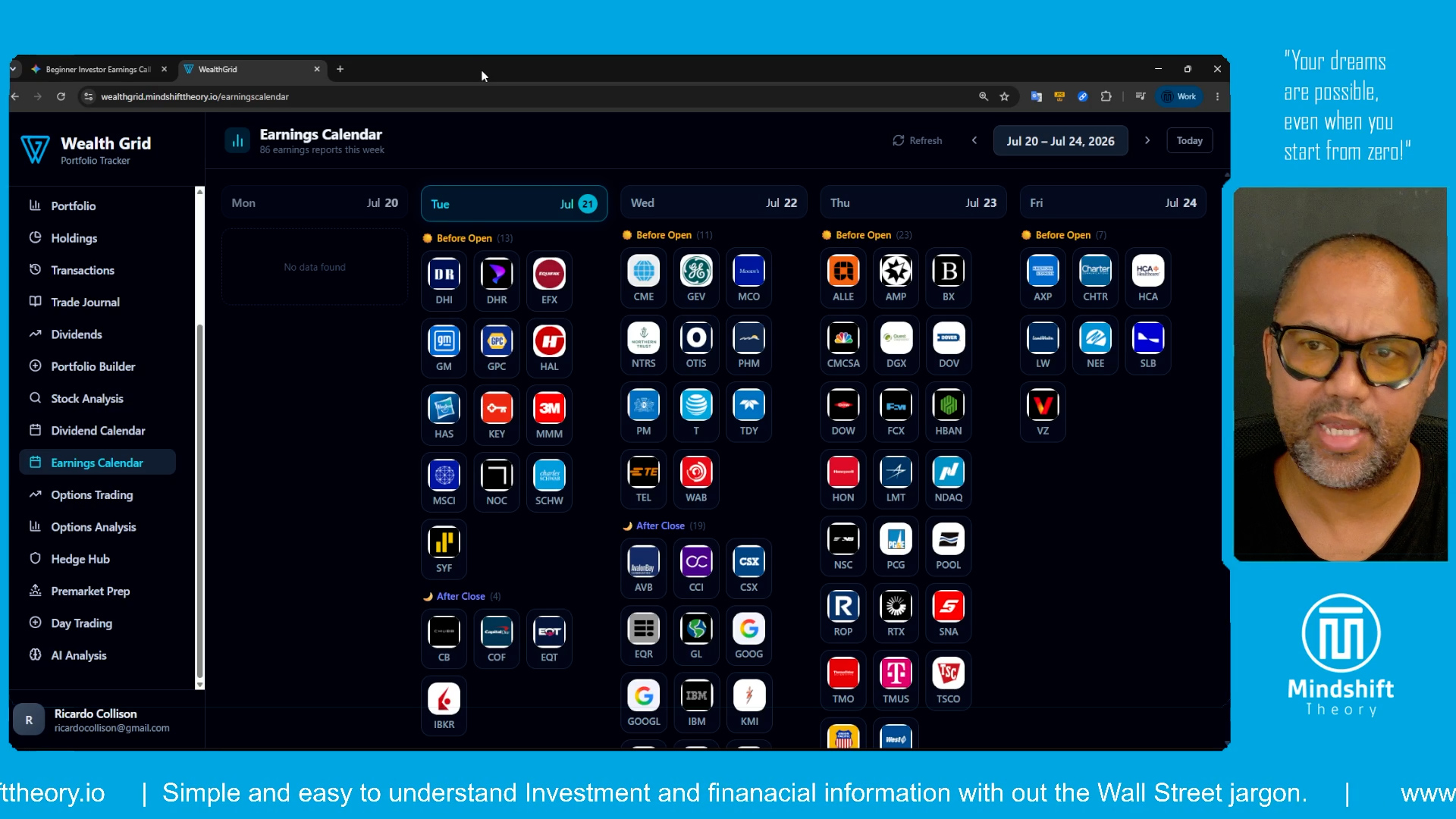

The 3 Major Earnings Season Traps (And How to Avoid Ruining Your Portfolio)
Earnings season feels like a goldmine for retail investors. Companies report their quarterly numbers, stock prices swing, and beginner traders rush to buy shares or call options expecting an immediate surge.
However, trading in isolation around earnings is one of the fastest ways to destroy your portfolio. Wall Street plays by a different set of rules, and if you don't understand how earnings calls work, you are gambling—not investing.
Here are the three major pitfalls you must avoid, along with real-world examples from big tech stocks like Netflix and Google.

Pitfall #1: The After-Hours Blindspot
Regular market trading hours run from 9:30 AM to 4:00 PM EST. However, major earnings reports are almost always released after the bell.
By the time the report hits the news wire, the regular market is closed. If a stock gap-swings 20% to 30% in after-hours trading, retail investors have virtually no control over their open positions. You are locked in, forced to accept whatever price the market dictates when the bell rings the next morning.
Pitfall #2: The "Beat and Drop" Fallacy
A classic mistake made by new investors is assuming that when a company beats earnings estimates, the stock price will automatically rise.
In reality, Wall Street trades on forward guidance and secondary metrics, not last quarter's headline numbers.
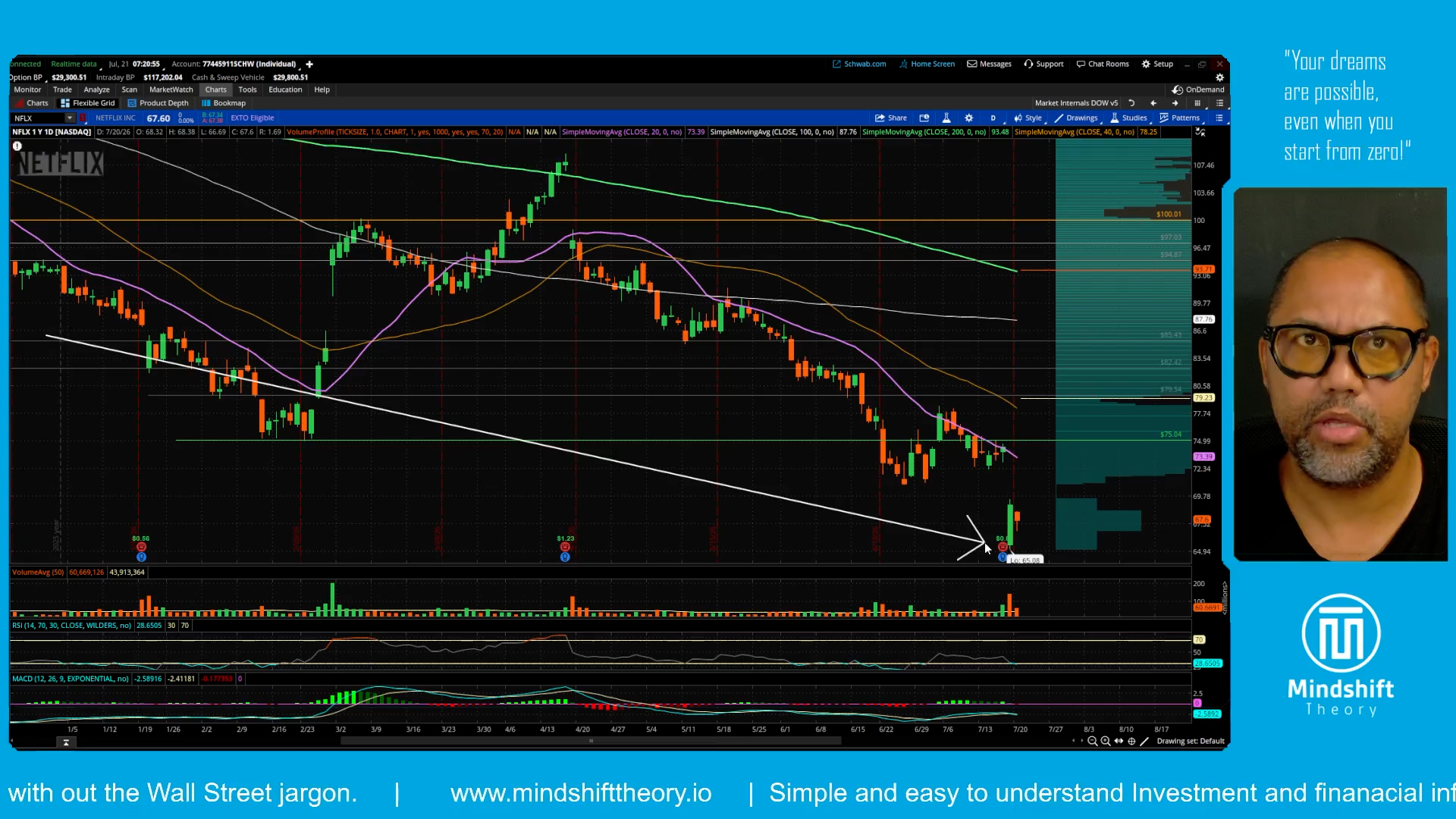
Real-World Example: Netflix
During recent earnings reports, Netflix repeatedly beat subscriber estimates and financial performance expectations. Yet, the stock suffered massive drops—including a single-day drop of over $10. Why? Investors were not convinced by their forward-looking guidance regarding massive capital investments in sports media.
Takeaway: Past performance gets reported in earnings; forward guidance dictates stock price movement.
Pitfall #3: Implied Volatility (IV) Crush
For options traders, this is the most brutal trap. Leading up to an earnings release, market uncertainty spikes. This uncertainty inflates the Implied Volatility (IV) on the option chain, making options extremely expensive.
Real-World Example: Google
Looking at Google’s option chain right before earnings revealed an Implied Volatility level of 93%. An at-the-money call contract cost nearly $1,000 ($10 per option).
The second the earnings announcement passes, uncertainty disappears and implied volatility drops off a cliff. Even if Google’s stock rises 2%, your call option might lose value because the IV drop completely deflates the contract premium.
How to Play Earnings Season Safely
For Stock Buyers: Never buy all at once right before an earnings report. Use a Dollar-Cost Averaging (DCA) strategy to manage timing risk.
For Options Buyers: Avoid buying directional options right before earnings due to IV crush.
For Options Sellers: High IV periods can present opportunities to sell options and collect inflated premiums.
Track earnings releases automatically using tools like Wealth Grid so you are never caught off guard by volatility.